
Stop blindly trusting who's on the other side of the screen.
With GenAI anyone can look and sound like you.
Bring zero-trust security to the human layer and easily stop deepfakes, imposter candidates, fraud and insider threats before the damage is done.
The signals we use to trust identity are broken
Identity is still something we assume based on what we see and hear.
attacks continue
anyone now
Impersonations now look and sound legitimate.
adapted
It does not verify the human on the screen or phone.
Identity attacks are already inside your enterprise

Source: Gartner
Source: GetReal Security Study
Source: Gartner
A Digital Trust and Authenticity Platform (DTAP)
GetReal is the only multimodal identity defense to verify the authenticity of people in files and real-time digital interactions. By combining content analysis, continuous authentication, and adaptive policy enforcement, GetReal protects trust where business actually happens.




Three identity attacks your enterprise must stop now
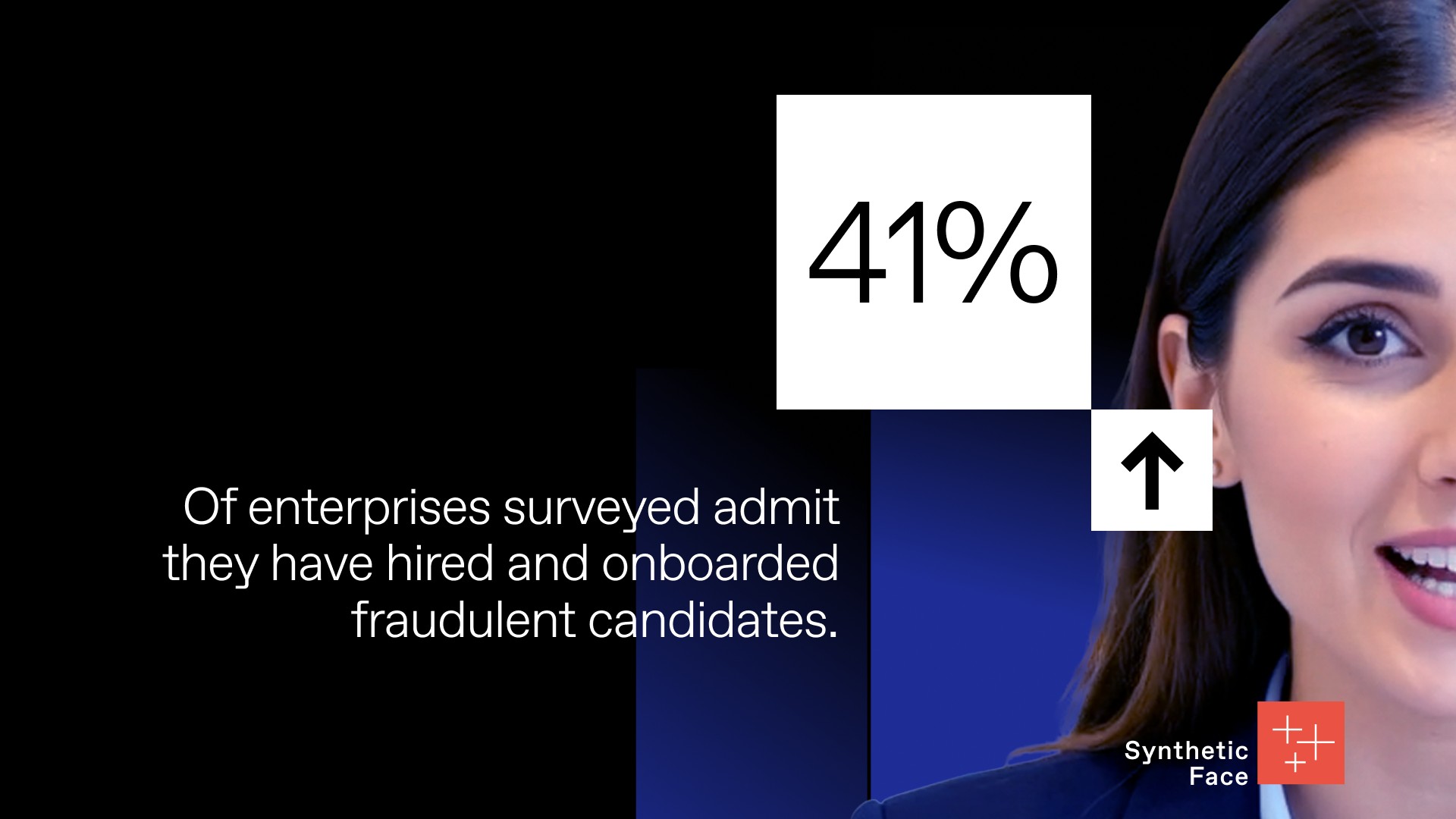
Fraudulent candidates are getting hired
Deepfake interviews, synthetic voices, and fabricated identities are slipping through enterprise hiring and onboarding workflows.
Prevent candidate fraud
Trusted employees are being impersonated
Attackers are launching social engineering attacks by cloning executive faces and voices to manipulate employees into approving payments, granting access, and bypassing controls.
Secure high-risk interactions
Account recovery is being exploited
Bad actors are hijacking employee and customer accounts during live helpdesk interactions, and gaining access with full legitimacy.
Secure account recovery
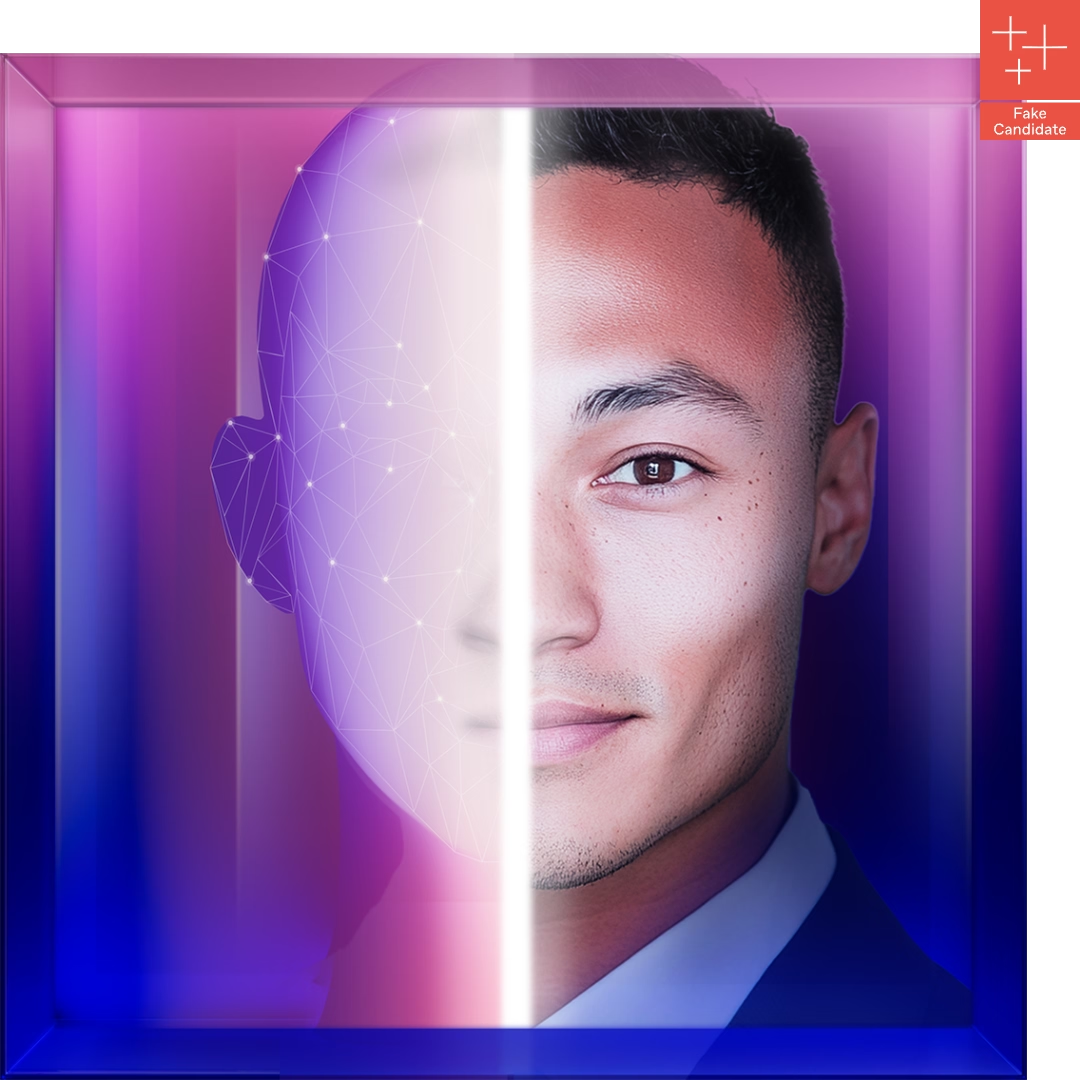


Our DNA brings identity defense to the content layer
Content Credential Analysis
We scan the content to verify authenticity, origin, and edits by identifying embedded signatures, watermarks, or C2PA credentials.
Pixel Analysis
We examine the content for pixel-level signals, compression artifacts, and inconsistencies from editing software.
Physical Analysis
We analyze the image’s physical environment for inconsistencies with the real world.
Provenance Analysis
We examine the recorded journey and packaging of content for additional context.
Semantic Analysis
We analyze the content for contextual meaning and coherence.
Human Signals Analysis
We inspect content for faces and other human attributes to run more targeted analysis.
Biometric Analysis
We conduct identity-specific analysis through face and voice modelling.
Behavioral Analysis
We compare patterns in human behavior and interactions to detect inconsistencies.
Environmental Analysis
We assess physical surroundings for context and 3D authenticity.


Timeline of deepfake deception

September 2025
Sora 2’s ability to generate hyperrealistic video and audio raises important concerns around likeness, misuse and deception.

July 2025
A deepfake of Marco Rubio exposed the alarming ease of AI voice scams.
March 2025
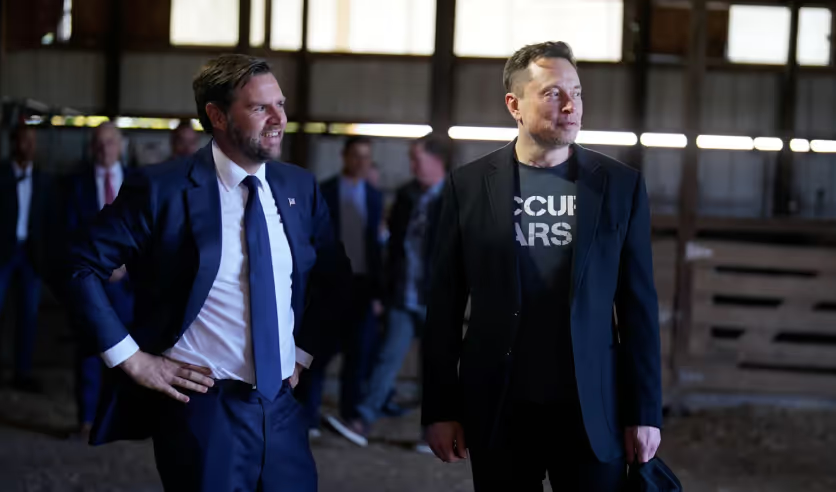
A viral audio clip, which claims to be of Vice President JD Vance criticizing Elon Musk, is fake.

March 2025
Phishing deepfake video of YouTube CEO Neal Mohan highlights increased impersonation attacks against business executives.

February 2025
Fake AI-generated audio of Donald Trump Jr. expressing support for Russia over Ukraine stokes geopolitical tensions.

January 2025
AI-generated image of burning Hollywood sign during LA wildfires prompts concern over misinformation’s impact on emergency response.

December 2024
Nation-state threat actors behind Salt Typhoon steal a database of voicemails for future weaponization against public figures.

November 2024
Documentary featuring GetReal released on deepfake voice attack against London Mayor Sadiq Khan highlights generative AI’s ability to disrupt society.

November 2024
U.S. Department of the Treasury’s Financial Crimes Enforcement Network issues an alert on fraud involving deepfake media.

October 2024
Wiz CEO Assaf Rappaport's voice is impersonated by cyber attackers, targeting employees for credential theft.

September 2024
U.S. Sen. Ben Cardin is targeted by a deepfake video call impersonating former Ukrainian Foreign Affairs Minister Dmytro Kuleba.

July 2024
KnowBe4 reveals the hiring and onboarding of a North Korean operative after he deceived HR with AI-manipulated images and video.

March 2024
AP flags Princess Kate photo for manipulation, illuminating the need for verification of video, image and audio authenticity.

February 2024
A successful real-time video conferencing attack leads to $25 million loss, the largest incident of financial fraud to date.

May 2023
Fake image of Pentagon explosion briefly crashes U.S. stock market, highlighting the susceptibility of market indexes to deepfakes.

March 2023
Ridiculous AI-generated video of Will Smith eating spaghetti spreads online, showcasing both the potential and shortfalls of generative AI tools.

March 2023
Viral photo of Pope Francis in a puffer jacket highlights the increasing difficulty for the average person to detect manipulated images.

September 2022
Generative AI tool DALL·E 2 becomes widely available – a milestone for synthetic image creation at scale.

July 2020
MIT Center for Advanced Virtuality releases deepfake video of former President Richard Nixon giving an alternate moon landing speech.

June 2020
Deepfake video of a news interview with Mark Zuckerberg is posted to Instagram to test Meta’s misinformation removal policy.

December 2017
Motherboard’s Sam Cole reports that anonymous Reddit user “deepfakes” used AI tools to superimpose celebrity faces onto pornographic material.
Enterprise-grade detection and mitigation of malicious generative AI threats
“We’ve reached a pivotal moment. The need for solutions that can quickly and accurately verify and authenticate digital media has never been more critical.”

Ted Schlein,
Co-Founder and General Partner
“With the rise of GenAI and synthetic media, businesses and governments have become prime targets for the manipulation and exploitation of digital content. With GetReal, organizations can now defend against this new attack vector.”

Alberto Yépez
Co-Founder and Managing Director
Latest from GetReal Security

Video
December 2025
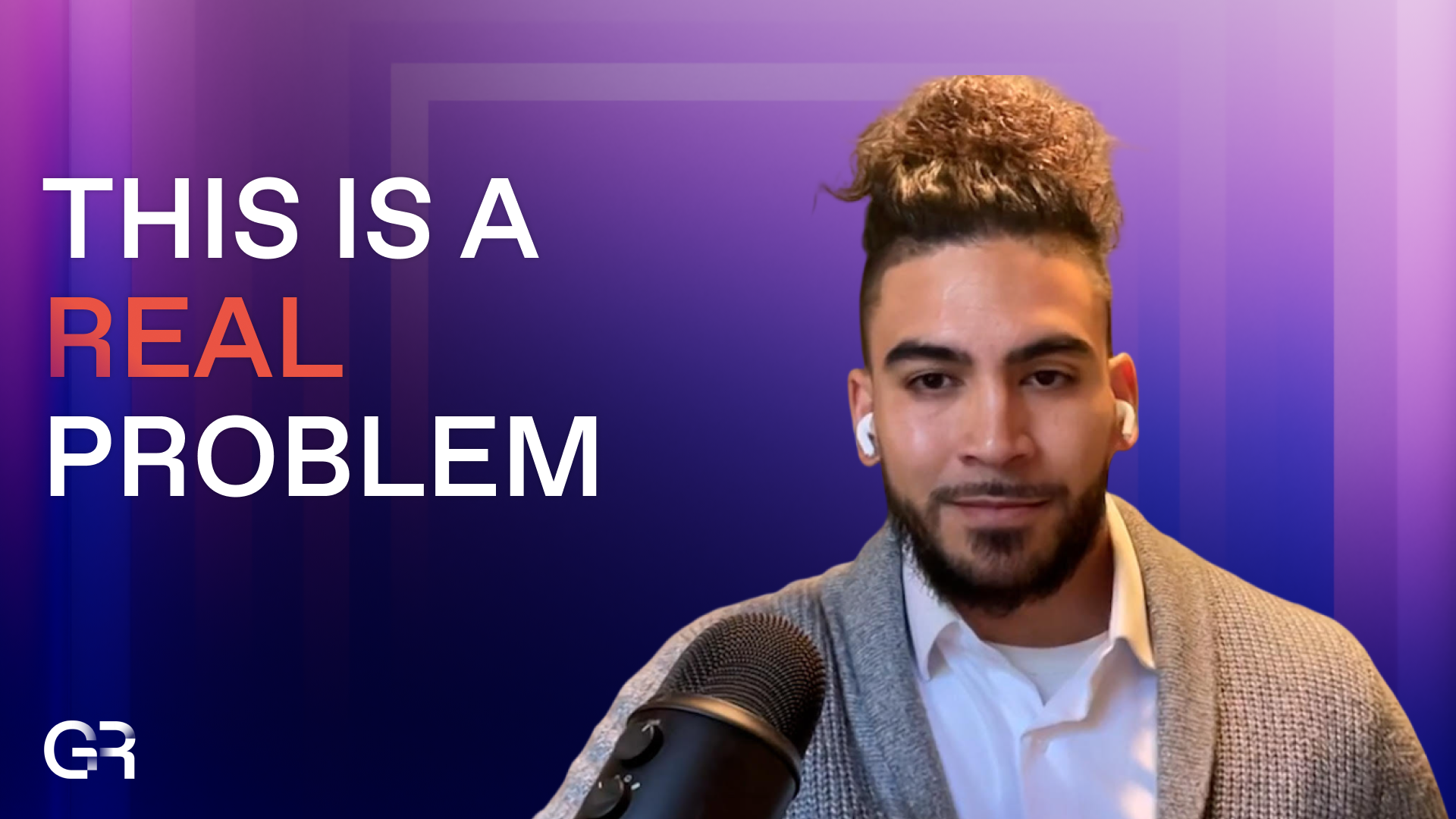
As recruiting moved online, a new class of adversary followed – using AI to fabricate identities, pass interviews, and infiltrate companies at scale. In some cases, these aren’t just scammers. They’re nation-state operatives. In this investigation, we look at how deepfake candidates are already moving through enterprise hiring pipelines – and why traditional checks no longer work.
00:07:57
Go to resources to see more news on what is happening at GetReal.